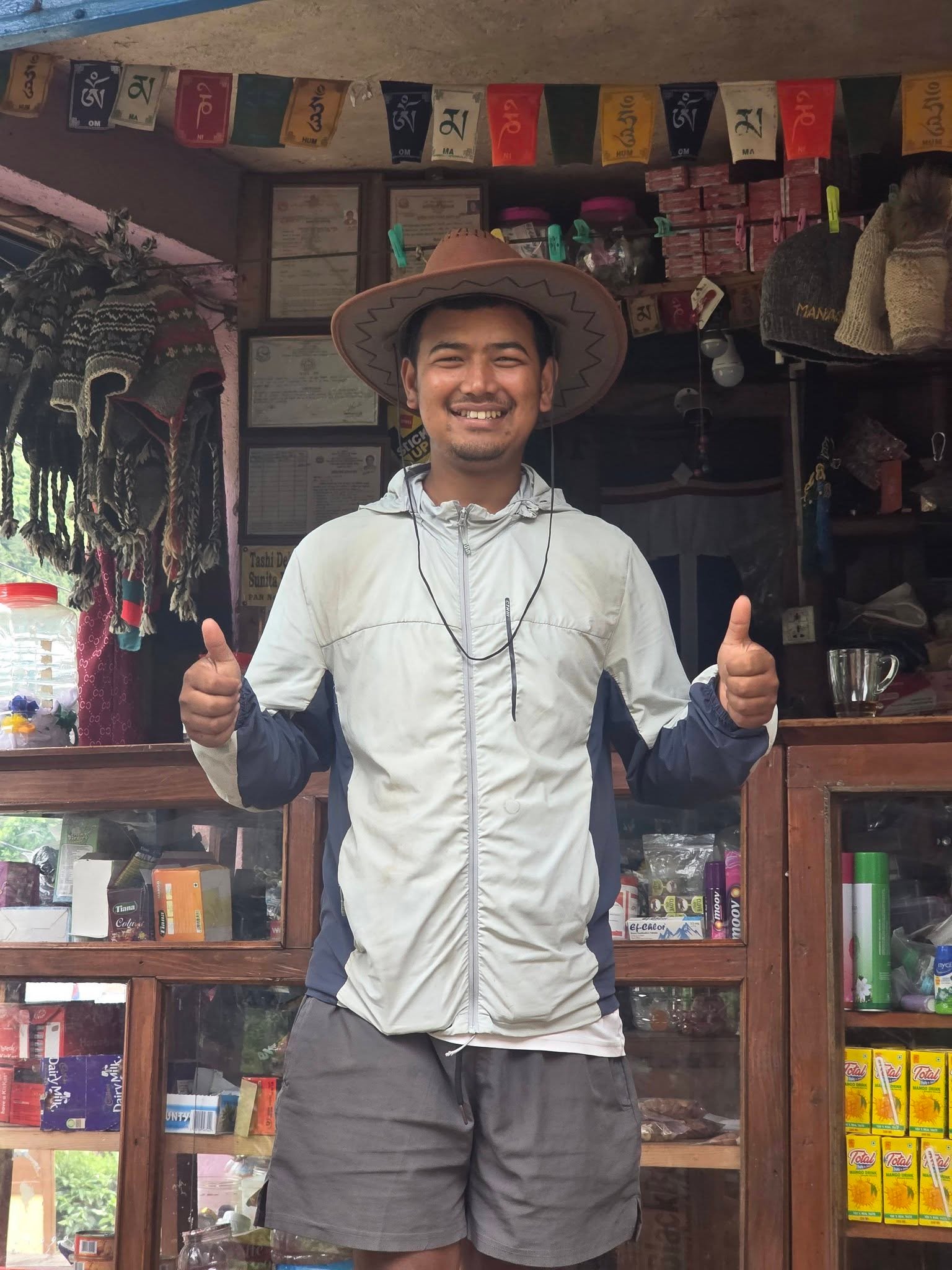
Take a guide, especially your first time
Most tea houses are happy to have a dog to stay, but "happy" sometimes needs a bit of coaxing —
some owners assume a dog means a mess to clean up, and a local guide vouching for you goes a
long way. It also helps that not everyone in the mountains speaks English; having someone who
can explain what you're asking for, and why, smooths over a lot of otherwise awkward moments.
Sort vaccinations and parasite prevention before you go
Make sure your dog's vaccinations — rabies especially — are properly up to date well ahead of
travel, not sorted the week before you fly. It's worth starting tick and flea treatment in
advance as well, rather than waiting until you're already on the trail and it's too late to do
much good.
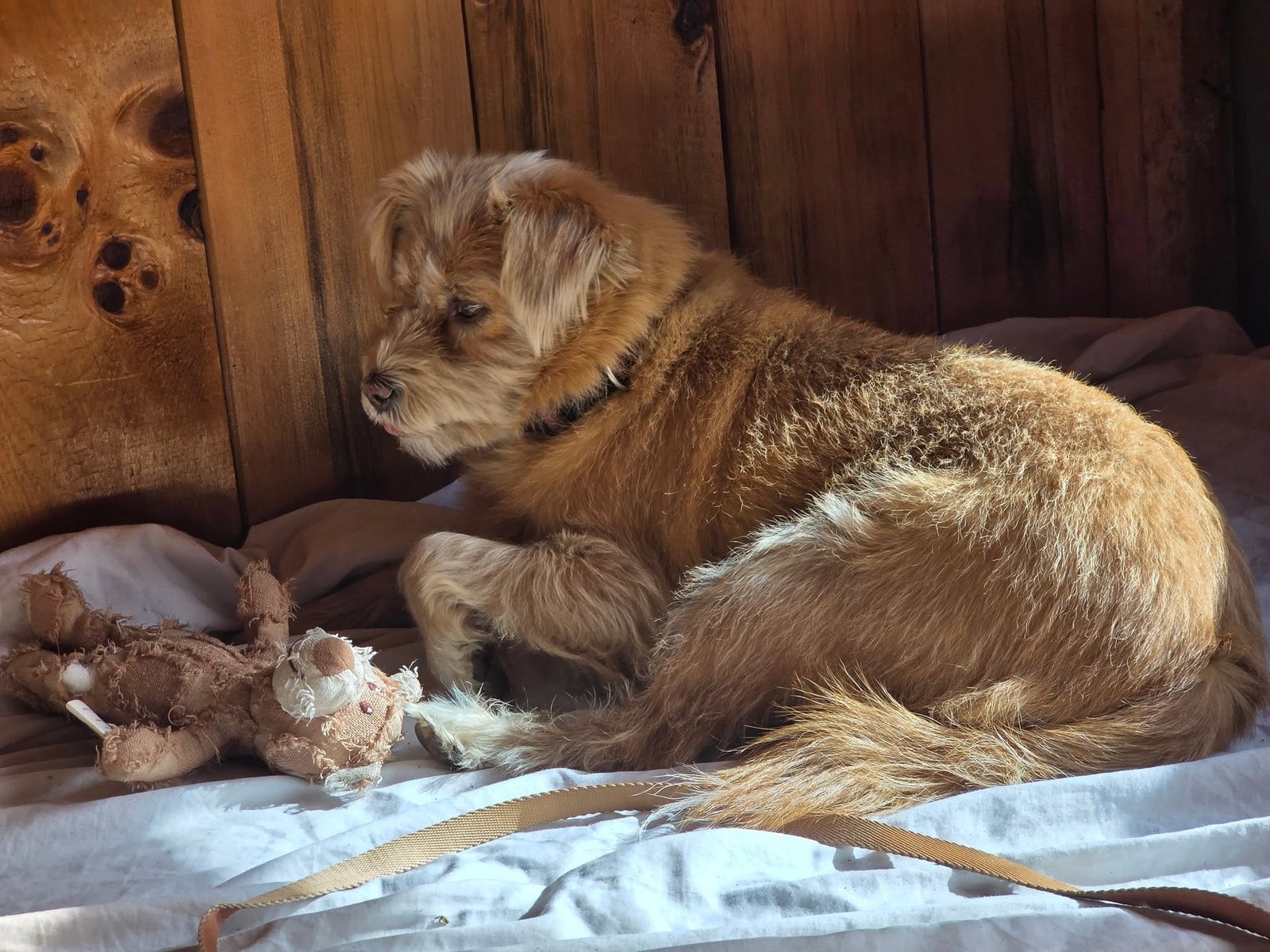
Pack a bed sheet
If your dog likes to sleep on the bed, bring a sheet to put down first. It's a small thing, but
it's the difference between a tea house owner not minding and a tea house owner minding a lot.
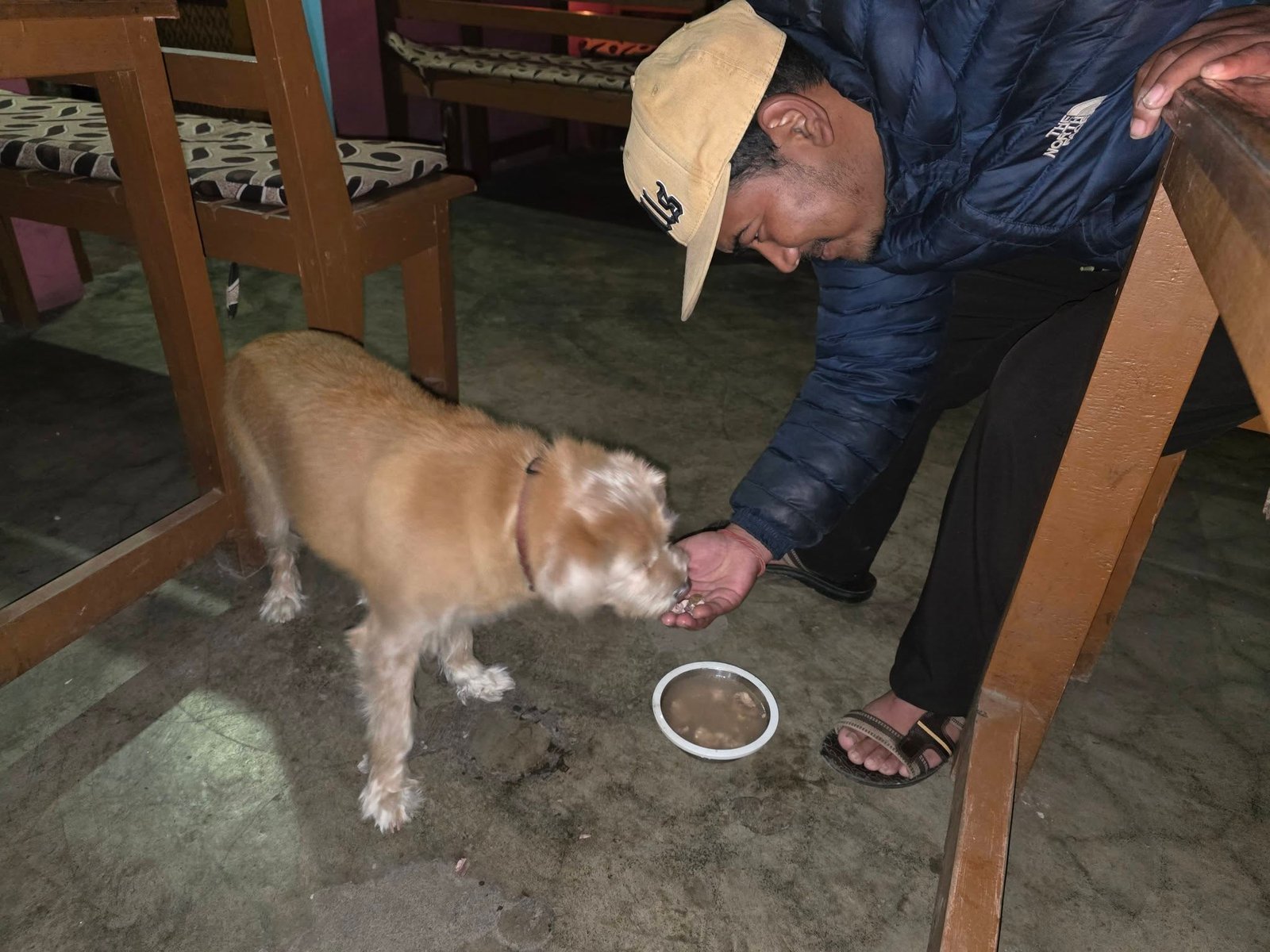
Sort out food before you're relying on it
Not every tea house serves meat, but where they do, most are willing to boil up some chicken
for the dogs. Where they don't, mine get by on noodle soup with egg, tins of tuna, or dhal bhat
if nothing else is going. If your dog will only eat proper dog food, plan around that rather
than hoping — I always carry at least six sachets, just in case a village turns out to have
nothing they'll touch.
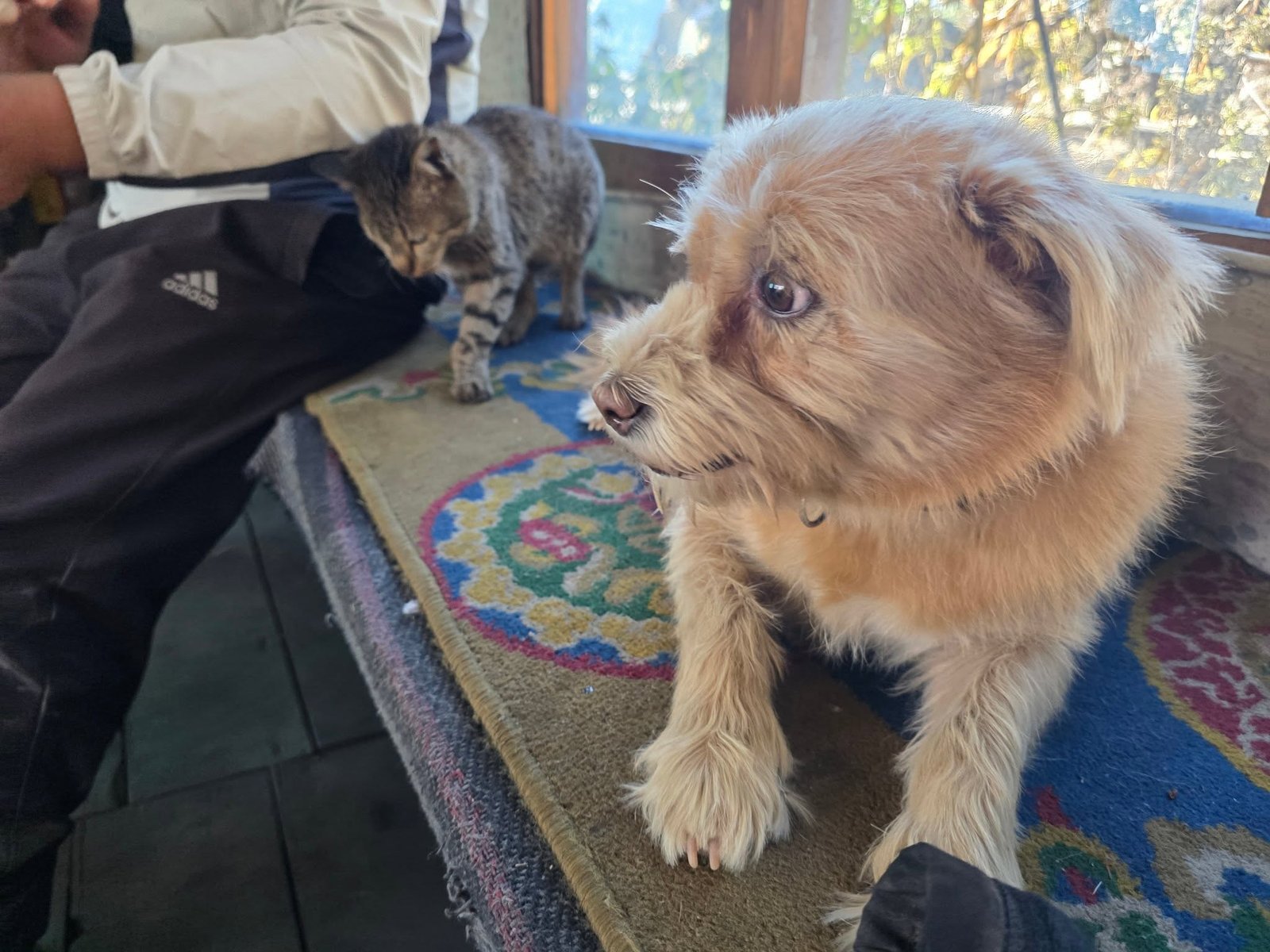
Know your dog, and don't assume everyone loves dogs
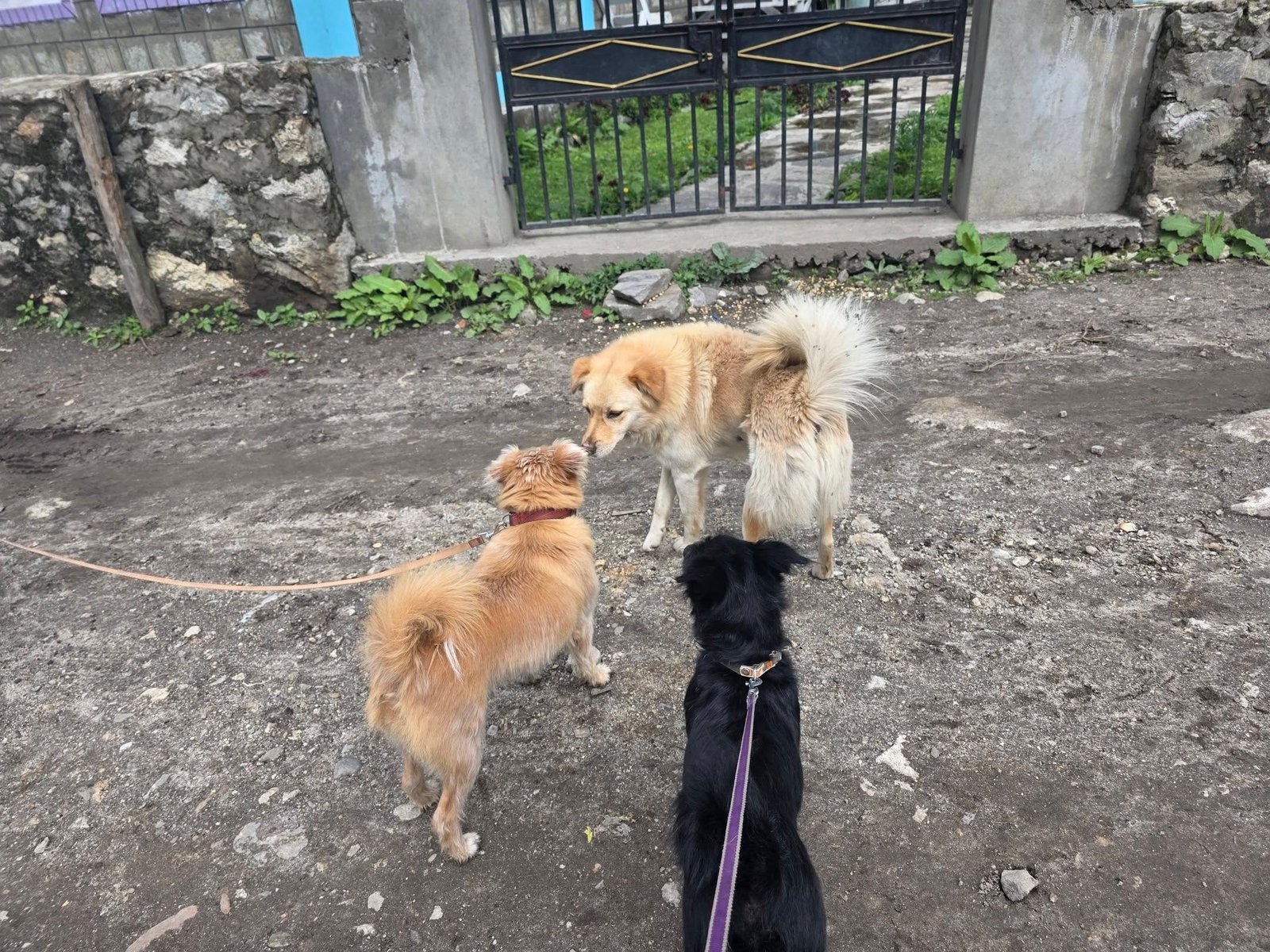
If your dog is reactive around other dogs, I'd hold off on a trek like this until you've worked
through that training — the trail isn't the place to find out. The same goes the other way:
plenty of people are genuinely afraid of dogs, however friendly yours is. Even a dog that adores
people should stay on a lead until you've got a read on whoever you're meeting.
Learn a few Nepali phrases
A little goes a long way. "Tokdaina" (doesn't bite) is the one that gets the most use — said
with a smile, it reassures people faster than any amount of explaining in English ever will.
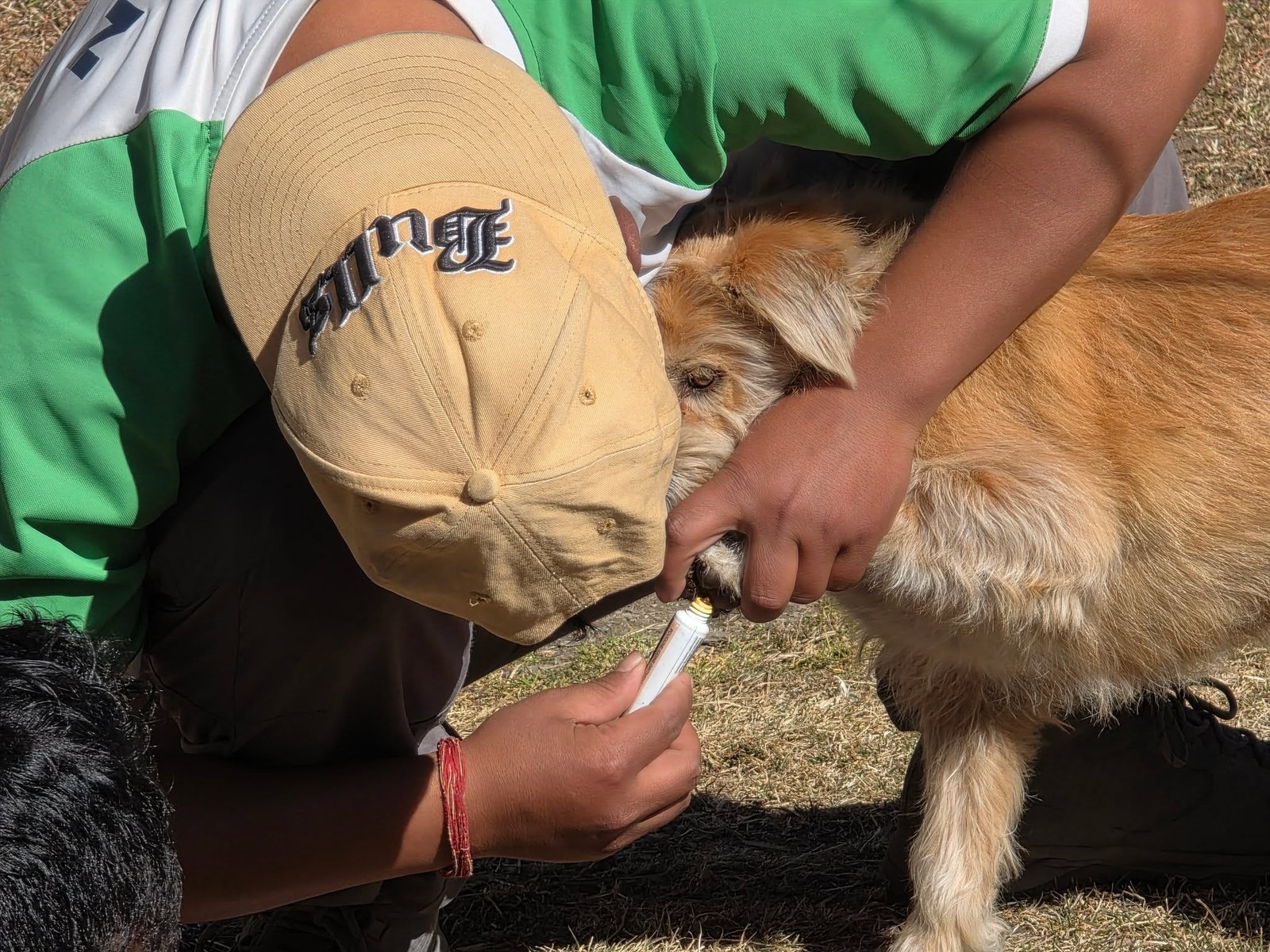
Pack a small vet kit, and have a plan
Beyond the paw care covered on the Dangers page, it's worth carrying
basic medicine for your dog and knowing, before you set off, what you'd actually do if they got
properly injured or ill — where the nearest help is, and how you'd get them there. Hoping it
won't happen isn't a plan.